
NGFS on Measuring Climate Risk

NGFS on Measuring Climate Risk

Patricia Sanchez Juanino

Macroeconomist

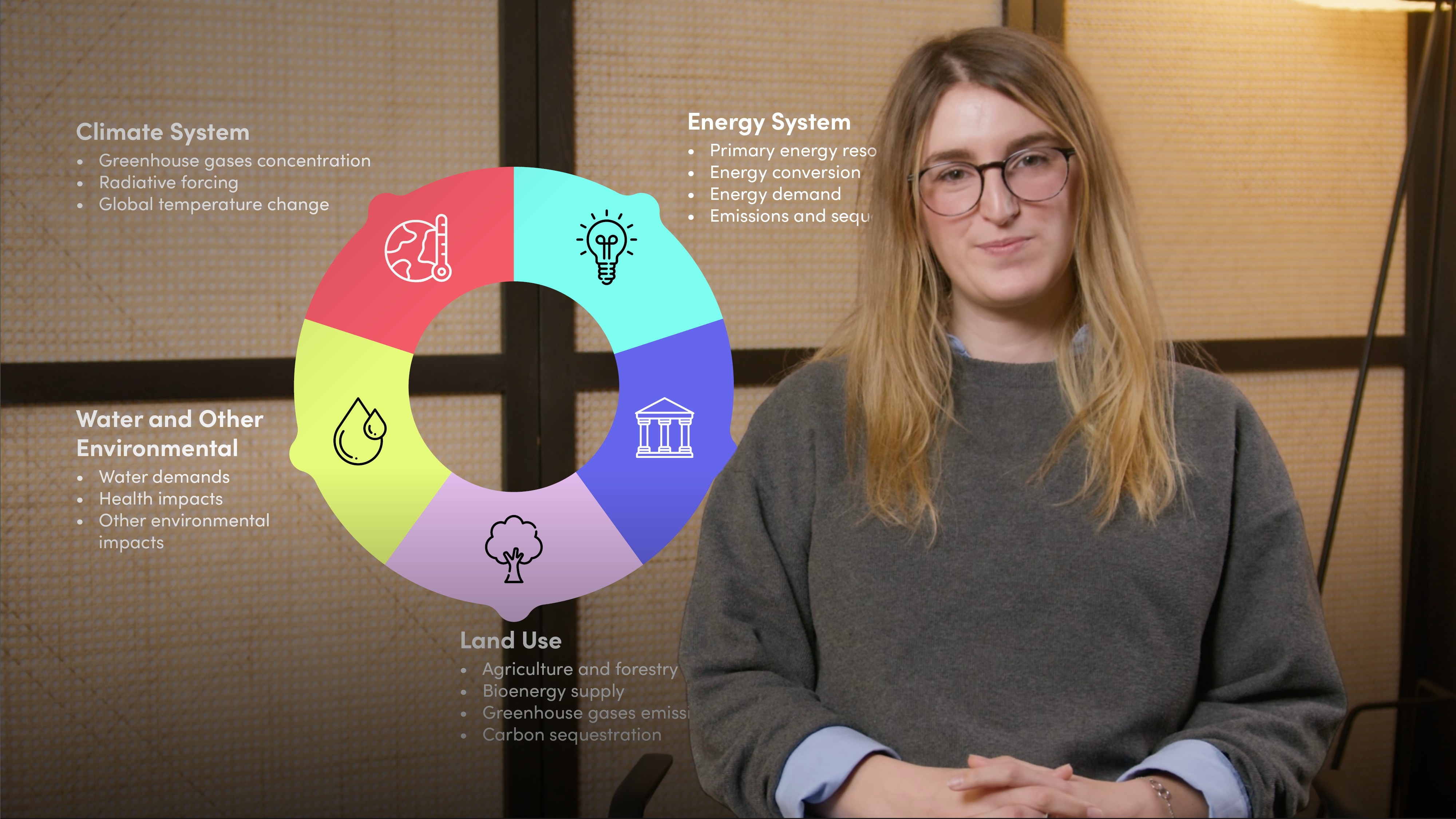
In this video, Patricia breaks down how the NGFS climate scenarios model risks and their impact on the economy. She explains how these scenarios help policymakers and financial institutions understand the effects of both physical and transition risks. She also highlights the 2024 findings, showing that achieving net zero by 2050 could halve economic damages compared to following current policies.

In this video, Patricia breaks down how the NGFS climate scenarios model risks and their impact on the economy. She explains how these scenarios help policymakers and financial institutions understand the effects of both physical and transition risks. She also highlights the 2024 findings, showing that achieving net zero by 2050 could halve economic damages compared to following current policies.

Subscribe to watch

Access this and all of the content on our platform by signing up for a 7-day free trial.

NGFS on Measuring Climate Risk

12 mins 1 sec

Key learning objectives:

  • Understand how NGFS scenarios model climate risks and economic impacts

  • Understand the importance of climate stress tests for financial stability and policymaking

Overview:

The NGFS scenarios assess climate risks and their economic impacts, highlighting the importance of proactive action. These scenarios model different climate pathways, showing how physical and transition risks affect global GDP and financial stability. Findings from 2024 show that achieving net zero by 2050 could halve economic damages compared to current policies. Climate stress tests help governments, businesses, and individuals prepare for disruptions. Understanding these insights is crucial for shaping policies, mitigating financial risks, and ensuring a sustainable future.

Subscribe to watch

Access this and all of the content on our platform by signing up for a 7-day free trial.

Summary
What are the NGFS scenarios, and how do they assess climate risks?

The NGFS (Network for Greening the Financial System) develops climate scenarios to evaluate risks posed by climate change. These scenarios use Integrated Assessment Models (IAMs) to assess economic, environmental, and financial impacts under different policy and emissions pathways. They examine how physical and transition risks affect financial stability, guiding policymakers, central banks, and financial institutions in decision-making. The NGFS updates its models regularly, incorporating new scientific data and economic insights to refine projections and inform climate policies.

What insights do the latest NGFS findings provide?

The November 2024 NGFS scenarios reveal that failing to act on climate change could lead to a 15% drop in global GDP by 2050 due to physical risks, whereas strong climate policies could reduce this loss to 7%. This demonstrates that proactive climate action is not just necessary for environmental reasons but is also economically beneficial.

The findings emphasise that physical risks, such as extreme weather and rising sea levels, will have a far greater economic impact than the costs of transitioning to a low-carbon economy. In the Net Zero 2050 scenario, transition-related costs result in just a 1.3% GDP decline, compared to much larger losses from physical risks. This highlights that delaying action increases financial instability and economic uncertainty.

Moreover, the NGFS warns that uncoordinated or late policy changes will lead to market disruptions, stranded assets, and higher transition costs. By acting early, governments and businesses can manage risks more effectively, ensuring a more stable shift towards sustainability. The findings reinforce the need for data-driven decision-making and immediate climate action to minimise long-term financial damage.

Why should everyone understand climate stress tests?
Climate stress tests evaluate how climate risks could destabilise economies, affecting jobs, savings, and the cost of goods. They guide financial institutions in managing risk and help policymakers design resilient economic strategies.

Beyond finance, stress tests influence business operations, investment decisions, and infrastructure planning. Understanding them enables individuals to anticipate economic shifts, advocate for sustainable policies, and make informed personal and professional choices that contribute to a more resilient and sustainable future.

Subscribe to watch

Access this and all of the content on our platform by signing up for a 7-day free trial.

Patricia Sanchez Juanino

Patricia Sanchez Juanino

Patricia Sánchez Juanino, an economist at the National Institute of Economic and Social Research, has over seven years of experience in macroeconomics and monetary policy analysis. Her research focuses on climate economic modelling, exploring the connections between climate policies and the macroeconomy, particularly in addressing climate change challenges and influencing policy decisions.

There are no available Videos from "Patricia Sanchez Juanino"